Translations

Obituary

Bouqet of white flowers on dark background

By Dainerys Machado Vento (tr. Michelle Mirabella) Columbia Journal, 2026 Part of a sequence of dream writings, “Obituary” exists in memory where dreams and reality blur. Machado Vento drops readers in, recreating this sensation of dreams lacking context, and leaves us wondering about where the…

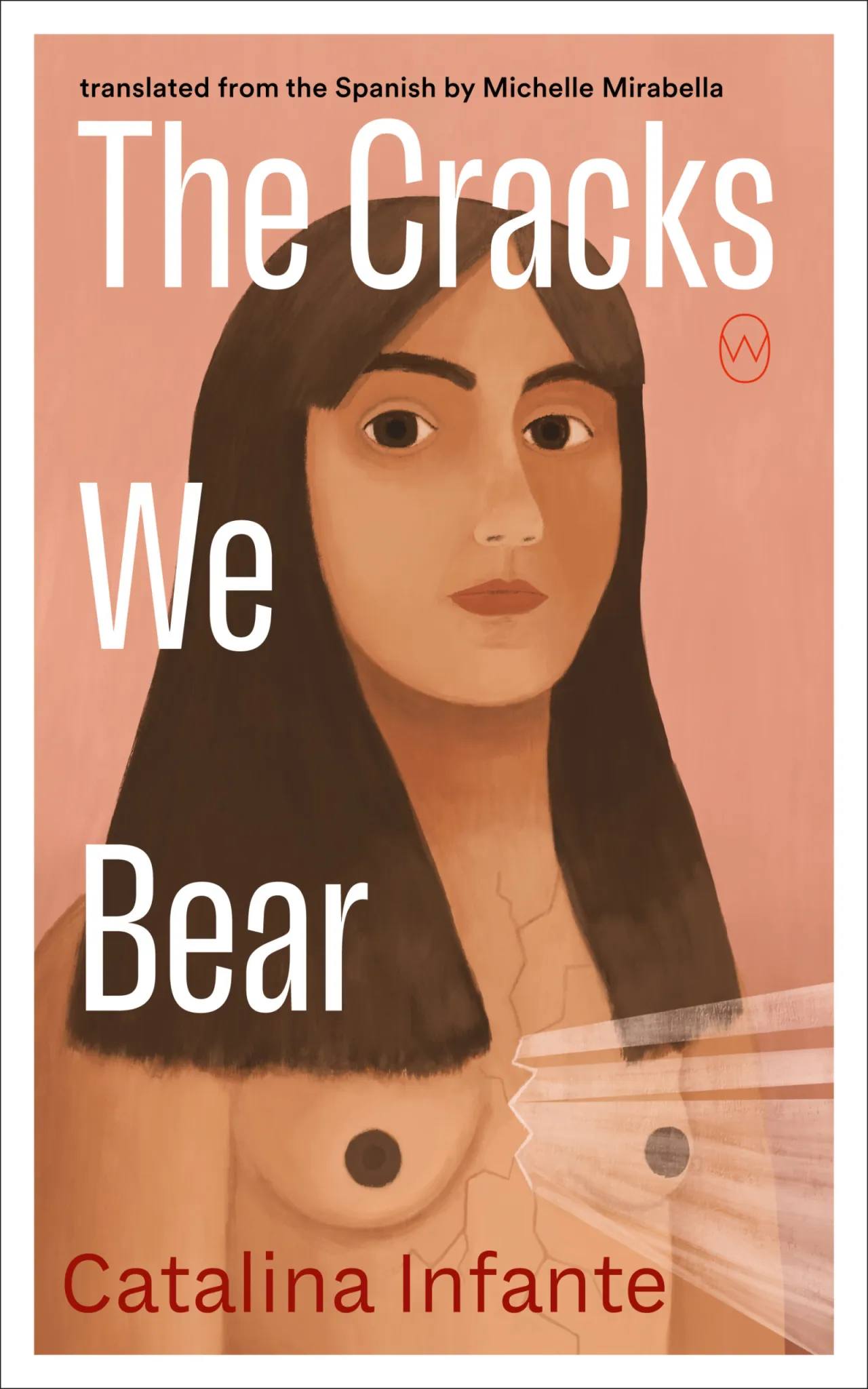
The Cracks We Bear

Cover art showing a woman with light shining through a crack in her chest

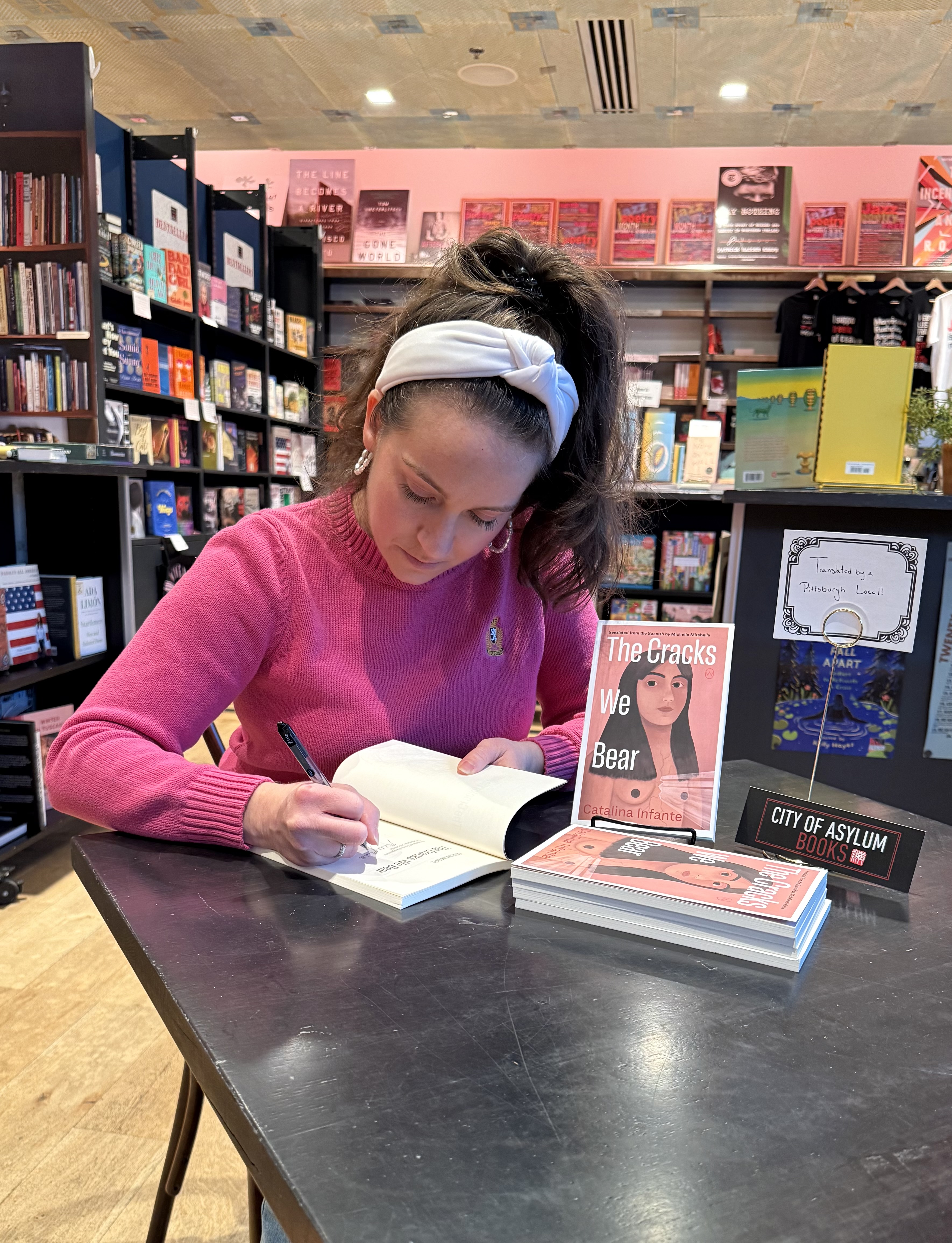
Shortlisted for the 2026 Spain-USA Foundation Translation Award, The Cracks We Bear opens as a story about new motherhood. Soon, however, it reveals itself to be an exploration of memory and trauma as Laura starts to recall her childhood in Chile. Born in exile to staunchly communist parents, she returns to Chile with her mother after the collapse of the Pinochet dictatorship. In the fledgling democracy she grows up in, topics of capitalism and communism are ever present. Laura’s reflections, born from personal experience, are interwoven with raw and honest memories of her family life. Borrowing elements from the Bildungsroman, and pulling from the Latin American short story tradition, Catalina Infante recounts Laura’s past in vignettes. Piece by piece, the short chapters come together like a reconstructed vase, bearing its cracks.

A Nostalgia For Desire

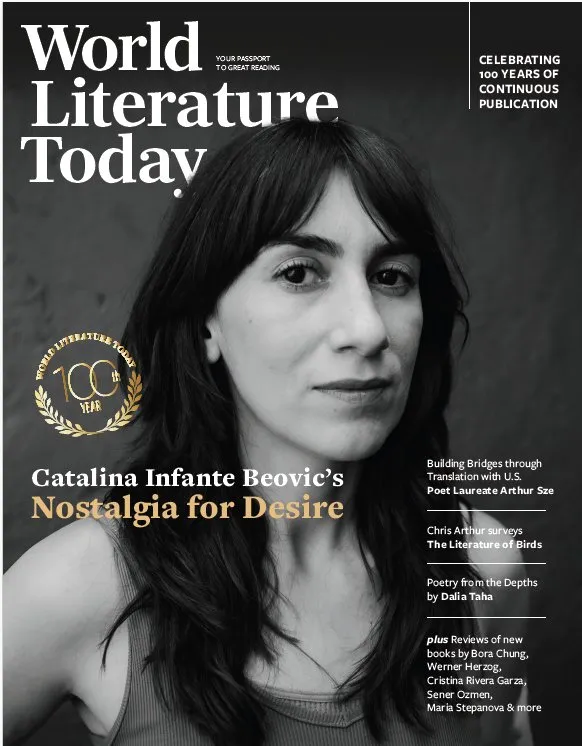
Catalina Infante on the cover of World Literature Today

By Catalina Infante Beovic (tr. Michelle Mirabella) World Literature Today, 2026 Employing extended apostrophe and dual timelines, Infante explores what happens to desire, sexuality, and women’s relationship with their bodies in the context of family life, in the wake of marriage and raising children. The…

An Island

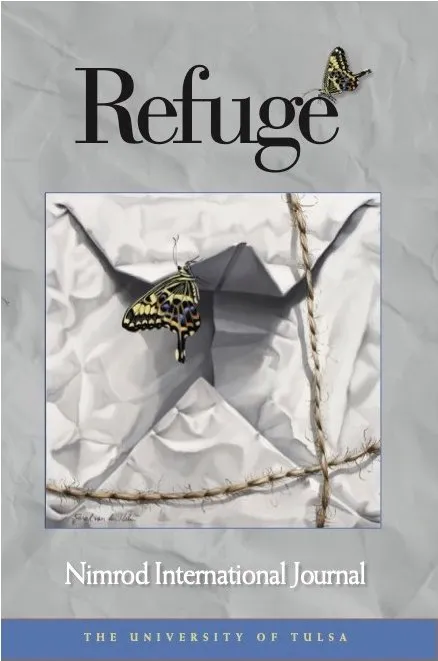
Butterfly on folded paper

By Catalina Infante Beovic (tr. Michelle Mirabella) Nimrod International Journal, 2024 An epistolary narrative employing extended apostrophe as a literary device. The protagonist writes from her southern refuge in Chiloé, an archipelago where, in Chile, the continent is said to end and break off into…